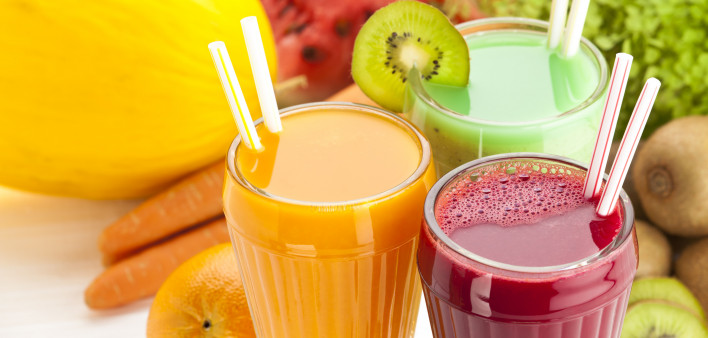
A client may ask whether a green juice is “as good as” eating the vegetables it contains. The most responsible answer to fresh juice versus whole produce is not a competition. These two ways of consuming fruits and vegetables offer different practical and nutritional strengths, and skilled wellness professionals help people understand where each may fit within a balanced eating pattern.
For those building a career in therapeutic juicing, this distinction matters. Clear education builds trust. It also helps clients move beyond all-or-nothing thinking and make choices that work with their preferences, routines, appetite, and overall wellness goals.
Fresh Juice Versus Whole Produce Is Not an Either-Or Decision
Whole produce contains the water, vitamins, minerals, phytonutrients, and natural plant structure of the fruit or vegetable. When it is chewed and eaten intact, it generally provides more dietary fiber than its juice. Fiber supports fullness and contributes to the normal function of the digestive system, making whole produce an essential part of a varied, food-first diet.
Fresh juice, particularly juice made from a wide range of vegetables and modest amounts of fruit, offers a concentrated and convenient way to include plant foods. Juicing separates much of the liquid and many water-soluble compounds from the pulp. The experience is different from eating a bowl of vegetables, but different does not mean inferior.
The more useful question is: what role is this serving of produce meant to play? A person who enjoys a vegetable-rich juice at breakfast may be adding variety to a routine that previously included very few vegetables. Another person may choose an apple or a salad because they need a more filling snack or meal component. Both decisions can be sensible in the right context.
What Changes When Produce Is Juiced?
Juicing changes the physical form of produce. The resulting beverage retains much of the produce’s water content and can provide vitamins, minerals, and naturally occurring plant compounds. Yet the amount of any nutrient can vary based on the ingredient, ripeness, storage, preparation method, and time between juicing and drinking.
The most noticeable change is usually fiber. Because much of the insoluble fiber remains in the pulp, juice is typically less filling than the same ingredients eaten whole. This is not a flaw to hide or a reason to dismiss juice. It is a meaningful distinction that professionals should explain plainly.
Chewing also affects the eating experience. Whole produce takes longer to consume, engages the senses differently, and may better support satisfaction for someone who is hungry. Juice can be consumed quickly, which may be helpful for convenience but may not provide the same sense of fullness.
The Role of Fiber
Fiber is one reason whole fruits and vegetables deserve a central place on the plate. It helps create bulk in the diet and can support regularity and satisfaction. When teaching clients, avoid implying that juice supplies the same fiber profile as whole produce. Accuracy is part of ethical practice.
At the same time, avoid framing pulp as “waste.” Depending on the recipe and the individual’s preferences, pulp can be used in soups, savory patties, baked goods, or composted. More importantly, clients can be encouraged to include whole produce elsewhere in the day rather than being told they must choose one format forever.
Natural Sugars and Recipe Design
Fruit juice can deliver naturally occurring sugars in a form that is easy to drink quickly. That is one reason thoughtful recipe design matters. A juice built primarily from vegetables such as cucumber, celery, leafy greens, herbs, and other non-starchy vegetables will have a different flavor and composition than one centered on several sweet fruits.
This does not make fruit inappropriate. Fruit brings flavor, color, and valuable nutrients, and it can make vegetable-forward juices more approachable. The professional skill is to teach proportion, variety, and awareness rather than attach moral labels to ingredients.
For clients who have individualized nutrition needs or medical considerations, wellness professionals should encourage consultation with an appropriately qualified healthcare professional. Therapeutic juicing education supports informed lifestyle choices; it does not replace individualized medical nutrition guidance.
When Fresh Juice Can Be Practical
Fresh juice can be especially useful when it lowers the barrier to consuming a broader range of vegetables. Some people enjoy vegetables more readily in juice form, particularly early in their journey toward more plant-centered meals. Others appreciate the ritual of selecting ingredients, preparing a juice, and pausing for a nourishing daily practice.
Convenience matters, too. A well-planned juice can be a practical option on a busy morning, after travel, or when someone wants a refreshing addition to a meal. It can also introduce people to ingredients they may not otherwise buy, from parsley and fennel to beets and leafy greens.
Still, a juice is not automatically a complete meal. Whether it fits best as a beverage, snack, or part of a meal depends on the person’s total intake, activity level, appetite, and preferences. A certified wellness professional can help clients consider the whole pattern rather than promising that one glass will do everything.
When Whole Produce Is the Better Fit
Whole produce is often the stronger choice when a person needs lasting fullness, wants to increase fiber intake, or is looking for a snack that travels easily without preparation. An orange, pear, handful of berries, or plate of crunchy vegetables can offer texture and satisfaction that juice cannot replicate.
Whole foods also make it easier to notice portions naturally. Eating an apple involves peeling, biting, chewing, and pausing. Drinking the juice of several apples can happen in moments. Neither experience needs to be judged, but they are not interchangeable.
For many people, the most sustainable approach is simple: enjoy whole produce generously and use fresh juice as a complementary practice. This honors the distinct benefits of each form while keeping the focus on consistency over perfection.
How Professionals Can Explain the Difference Responsibly
Clients do not need a lecture on food chemistry every time they ask about juice. They need language that is accurate, calm, and useful. A strong explanation might sound like this: whole produce provides more fiber and is often more filling, while fresh juice can be a convenient way to enjoy a concentrated variety of fruits and vegetables. Both can have a place in a balanced routine.
That wording does three important things. It respects the value of whole foods, recognizes the practical appeal of juice, and avoids making claims that exceed the evidence. It also gives the client room to make a decision based on their real life rather than an idealized plan.
This is where professional education makes a difference. Knowledge of ingredient selection, recipe balance, food safety, behavior change, and scope of practice allows wellness professionals to guide conversations with confidence. At Juice Guru Institute, this kind of evidence-informed, client-centered communication is central to helping future practitioners serve with integrity.
Keep Food Safety in the Conversation
Fresh juice is perishable. Clean produce thoroughly, use clean equipment, refrigerate juice promptly, and follow sound food-handling practices. Freshly prepared juice is generally best enjoyed soon after making it, both for quality and for practical food-safety reasons.
Professionals should also be cautious about making blanket recommendations for everyone. Individual needs vary, especially for people managing health conditions, taking medications, or following clinician-directed eating plans. Referring out when appropriate strengthens professional credibility and protects the client relationship.
A More Useful Standard Than “Better”
The word “better” can narrow an otherwise helpful nutrition conversation. Better for what purpose? Better for fullness, convenience, variety, enjoyment, hydration, or a specific meal routine? Once that question is asked, the answer becomes more grounded.
A fresh vegetable-forward juice may be a meaningful daily ritual that helps someone engage with more plant foods. A whole-food snack may be the wiser choice when they need fiber and staying power. The goal is not to crown a winner. The goal is to help people build realistic, nourishing habits they can maintain.
The most trusted wellness professionals do not rely on rigid rules. They teach clients to see food with greater clarity, use juicing thoughtfully, and make room for both fresh juice and whole produce in a life that supports long-term well-being.