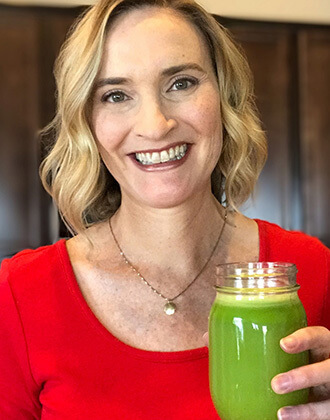

A client walks in holding a bright green juice and asks a deceptively simple question: is juicing nutritious? A credible answer is neither a blanket yes nor a warning against juice. It is a thoughtful conversation about ingredients, preparation, portion, personal needs, and the role juice plays in an overall eating pattern.
For wellness professionals, that distinction matters. People are often drawn to juicing because it feels practical, colorful, and energizing. They may also arrive with inflated expectations or conflicting information. The opportunity is to replace confusion with sound education, helping clients make choices that are realistic, enjoyable, and aligned with a balanced lifestyle.
Is Juicing Nutritious? The Short Answer
Fresh juice can be a nutrient-dense way to consume a concentrated amount of produce. Depending on the ingredients, it may provide vitamin C, folate, potassium, vitamin K, carotenoids, and a wide variety of plant compounds. Juicing can also make certain vegetables more approachable for people who struggle to eat enough produce in their daily meals.
At the same time, juice is not nutritionally identical to whole fruits and vegetables. The juicing process generally removes much of the insoluble fiber found in the pulp, peel, and structural parts of plants. That changes how filling the beverage is and may allow someone to consume more fruit-derived sugar in a shorter period than they would when eating whole fruit.
The most responsible answer, then, is that juicing can be nutritious when it is thoughtfully prepared and used as one part of a varied diet. It should not be presented as a replacement for whole foods, regular meals, individualized nutrition care, or guidance from a qualified healthcare professional when that is needed.
What Juice Can Contribute to a Balanced Routine
Juice offers a practical route to dietary variety. A well-designed vegetable-forward juice can introduce clients to leafy greens, celery, cucumber, parsley, cilantro, ginger, beets, carrots, and other ingredients they may not otherwise use consistently. Rotating ingredients also encourages exposure to a broader range of flavors and naturally occurring phytonutrients.
Preparation matters. Freshly made juice is often appealing because it is minimally processed and can be tailored to individual taste preferences. A juice built primarily around non-starchy vegetables, with fruit used strategically for flavor, will generally have a different nutritional profile than a large fruit-only juice.
Juice can also serve specific everyday purposes without being oversold. It may be a convenient addition to breakfast, an afternoon option when someone wants produce but has limited time, or a refreshing accompaniment to a meal. For people building healthier food routines, that accessibility can be meaningful. The goal is not to make juice carry the entire burden of nutrition. The goal is to help it support consistent, produce-rich habits.
Nutrient density is not the same as dietary completeness
A juice can contain valuable vitamins and plant compounds while still lacking elements that make a meal more complete. Whole-food meals typically provide more fiber, and many also include protein, healthy fats, and complex carbohydrates that contribute to satisfaction and sustained energy.
This is why context is essential. A green juice alongside eggs, yogurt, tofu, beans, nuts, or a balanced breakfast has a different place in the diet than juice consumed as the sole source of nourishment for long stretches of time. Wellness education is strongest when it teaches clients how to build rather than restrict.
The Fiber Question: What Changes When Produce Is Juiced?
Fiber is the central nutritional trade-off in juicing. Whole fruits and vegetables retain both their natural structure and most of their fiber. When produce is juiced, much of that material is separated into pulp, leaving a liquid that is easier and faster to consume.
That does not make juice inherently unhealthy. It does mean professionals should avoid treating a glass of juice as fully interchangeable with a bowl of vegetables or a piece of fruit. Whole produce remains important for digestive health, fullness, and the variety of textures that make eating satisfying.
There are practical ways to teach this without creating an all-or-nothing rule. Encourage clients to enjoy juice alongside whole-food meals, snacks, and salads. If they make juice at home, they may also choose to use leftover vegetable pulp in soups, veggie patties, baked goods, or sauces when appropriate. The point is to honor the value of the whole plant while recognizing that juice has its own useful place.
Ingredient Balance Matters More Than Juice Color
A deep green juice is not automatically a better choice, and a fruit-forward juice is not automatically a poor one. Nutritional quality comes from the full ingredient picture, serving size, and how the person uses it.
For many clients, a vegetable-led foundation is a sensible starting point. Cucumber, celery, leafy greens, herbs, lemon, and small amounts of ginger can create a flavorful base. Carrots, beets, apples, citrus, pineapple, or berries can be added in modest amounts to improve taste and encourage consistency.
This approach is especially helpful when teaching clients to move beyond the idea that more sweetness equals more nourishment. Fruit contributes valuable nutrients and can make juice enjoyable. Yet a juice made mostly from several servings of fruit may be easier to overconsume than whole fruit, particularly for someone who is not pairing it with a meal or snack.
Individual needs also matter. People managing blood sugar concerns, digestive sensitivities, kidney-related dietary restrictions, food allergies, medication interactions, or other health conditions should be encouraged to seek personalized guidance from their healthcare team or a qualified nutrition professional. Ethical coaching respects scope of practice and knows when a referral is the most supportive next step.
How Professionals Can Guide Clients Responsibly
The best client conversations begin with curiosity, not a standard recipe. Ask what role the client wants juice to play. Are they looking for an easier way to add vegetables? Do they skip breakfast? Are they experimenting with new flavors? Do they believe juice must replace meals to be worthwhile? Their answer shapes the education they need.
From there, help them establish a sustainable practice. A useful routine might be making a vegetable-forward juice a few times per week, pairing it with balanced meals, and continuing to prioritize whole fruits and vegetables throughout the day. This is more realistic than asking someone to follow an extreme plan they cannot maintain.
It is also helpful to address food safety. Produce should be washed thoroughly, equipment should be cleaned promptly, and fresh juice should be handled and stored carefully. People who are pregnant, immunocompromised, older adults, and young children may need extra caution around unpasteurized juices and should follow guidance from their healthcare providers.
Professional language matters as much as professional knowledge. Avoid promises that juice will cure, treat, or prevent disease. Avoid framing it as a cleanse or implying that clients must earn health through restriction. Instead, describe what can be observed: juice can increase exposure to produce, offer certain vitamins and phytonutrients, and become one enjoyable component of a broader wellness routine.
Building Credibility in Therapeutic Juicing Education
As interest in juicing grows, so does the need for practitioners who can explain it with precision. Clients deserve more than attractive recipes or broad claims. They deserve educators who understand the difference between nutrient density and completeness, who can adapt recommendations responsibly, and who communicate with confidence without stepping beyond their scope.
That is the standard that helps wellness professionals stand out. At Juice Guru Institute, therapeutic juicing education is approached as a professional discipline: rooted in practical application, informed by nutrition principles, and connected to ethical client support. A strong practitioner does not tell every client to do the same thing. They teach people how to make informed choices they can carry into daily life.
Juicing is most valuable when it helps people build a more consistent relationship with plants, flavor, and nourishment. Let that be the guiding thought: not whether one glass can do everything, but whether it can be one positive, practical step toward a pattern of eating that truly supports the person in front of you.