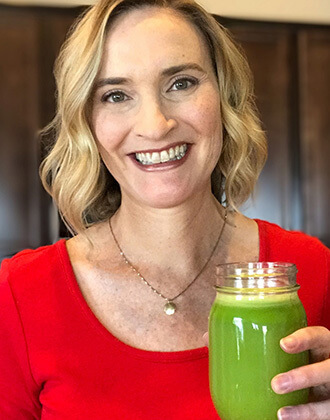
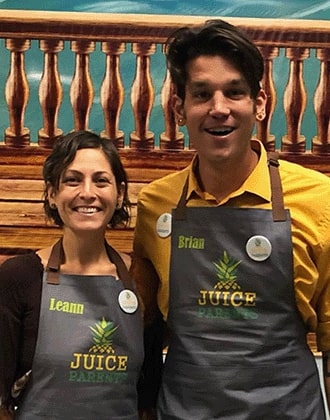
A client arrives with a juicer, a stack of wellness questions, and real hope for feeling better. That moment calls for more than an appealing recipe. It requires informed listening, clear professional boundaries, and a thoughtful plan for education. This ethical therapeutic juicing practice guide is designed for wellness professionals who want to serve with confidence while honoring the limits and responsibilities of their role.
Therapeutic juicing can be a meaningful part of a whole-food wellness conversation. It may help clients build awareness around produce intake, hydration, food preparation, and sustainable routines. Yet professional credibility is not built on bold promises. It is built on sound education, transparent communication, respect for client autonomy, and a commitment to ongoing learning.
What Ethical Therapeutic Juicing Practice Looks Like
Ethical practice begins with a simple distinction: a juicing professional educates, coaches, and supports healthy lifestyle habits. They do not diagnose conditions, prescribe medical treatment, interpret laboratory results, or ask a client to discontinue care recommended by a licensed healthcare provider.
This distinction does not make your work less valuable. It makes it more trustworthy. Clients deserve a practitioner who can explain the role of fresh juice within a balanced eating pattern without presenting it as a cure, a replacement for meals, or a substitute for medical care.
An ethical practitioner also resists one-size-fits-all protocols. A juice that suits one person’s preferences, schedule, budget, and dietary needs may not be appropriate for another. Individual context matters, including food access, cultural traditions, personal goals, current medications, health history, and the guidance of the client’s healthcare team.
Your role is to help clients make informed, practical choices. That may mean beginning with a modest habit, such as adding a vegetable-forward juice alongside breakfast, rather than promoting an overly restrictive plan that a client cannot realistically maintain.
Start With Scope, Consent, and Clear Expectations
Before discussing ingredients or routines, explain what your services include. Clients should understand that you provide educational and wellness coaching support, not medical advice. Use clear, everyday language in your intake forms, client agreements, marketing materials, and conversations.
A strong opening might sound like this: “I can help you explore juicing as part of your broader wellness routine, develop practical preparation strategies, and build confidence with ingredients. For diagnosis, treatment decisions, or questions about medications, please work with your licensed healthcare provider.”
Informed consent is more than a document. It is an ongoing practice of making sure clients understand what they are choosing and why. Discuss the nature of your services, fees, communication policies, privacy practices, cancellation terms, and when you may encourage referral to another professional.
Avoid implying that certification gives you authority outside your legal scope of practice. Training strengthens your knowledge and professionalism, but local laws and professional regulations still apply. When building a practice, review the requirements that govern wellness coaching, nutrition education, food handling, and business operations in the locations where you serve clients.
Use Evidence-Informed Language Without Overpromising
Language shapes client expectations. Statements that sound exciting can also create confusion, especially when they imply guaranteed outcomes. Replace certainty with accuracy.
Rather than saying a juice “will fix” a concern, explain what you can responsibly discuss: its ingredients, flavor profile, preparation method, and how it may fit into a client’s overall approach to eating more fruits and vegetables. Describe juice as one option within a varied diet, not as a nutritional shortcut that eliminates the value of whole foods.
Be especially cautious with terms such as “detox,” “reset,” and “cleanse.” Clients may use these words to describe how they want to feel, but they can carry assumptions that are not evidence-informed. Invite a more useful conversation about routines, satisfaction, digestion comfort, produce variety, hydration, and consistent meals.
When research is limited, mixed, or not applicable to a client’s circumstances, say so. “We do not have enough information to make that claim” is a professional answer. It demonstrates discernment, not uncertainty.
Refer Out Early and Respectfully
Referral is a sign of care. If a client shares symptoms that concern you, asks for medical interpretation, reports an eating pattern that appears restrictive or distressing, or needs individualized guidance related to a diagnosed condition or medication, encourage appropriate clinical support.
Do not attempt to solve a medical issue through a juice protocol. You can remain supportive by helping the client prepare questions for their healthcare provider and by continuing to offer general wellness education within your scope, if appropriate. Collaboration protects the client and strengthens the profession.
Build Recommendations Around Real Life
The most responsible plan is usually the one a client can practice consistently. Consider time, kitchen access, confidence with produce, family responsibilities, and food budget before recommending elaborate routines. A client with a demanding schedule may benefit more from a simple shopping framework and two familiar recipes than from a long ingredient list.
Teach practical skills that increase independence. Show clients how to select produce, wash and store it safely, balance flavors, reduce food waste, and prepare ingredients in advance. Discuss safe handling practices, including cleaning equipment promptly and refrigerating fresh juice when it is not consumed right away.
Encourage variety rather than rigid rules. Vegetable-forward combinations can be an accessible starting point for many people, while fruit can contribute sweetness and enjoyment. The goal is not to police ingredients. It is to help clients develop a flexible relationship with fresh foods and make choices that suit their preferences and broader nutrition needs.
Affordability is part of ethics, too. Do not assume clients can purchase specialty ingredients or juice large quantities of produce each day. Offer seasonal, locally available options and acknowledge that whole fruits and vegetables, frozen produce, and other nourishing foods remain valuable choices. Juicing should expand possibilities, not create pressure or financial strain.
Protect Privacy and Professional Trust
Wellness work often involves personal information. Gather only what you need to provide your stated service, store it securely, and explain how it will be used. Do not share client stories, photographs, messages, or outcomes without specific permission.
Testimonials require special care. A client’s enthusiasm may be genuine, but marketing should not turn one person’s experience into a promise for everyone else. Avoid claims that suggest predictable health or financial results. When you share feedback, focus on the client’s experience of education, support, confidence, or habit-building, with clear consent and appropriate context.
Professional boundaries also protect the relationship. Set communication hours, define the purpose of between-session support, and avoid becoming the client’s only source of guidance. Ethical care includes knowing where your responsibility begins and ends.
Continue Learning and Document Your Practice
A thoughtful practitioner remains teachable. New research, food safety guidance, coaching methods, and local regulations can all affect how you serve. Continuing education helps you refine your communication, examine assumptions, and improve the client experience over time.
Documentation supports this process. Keep accurate records of educational topics discussed, client goals, consent, referrals, and follow-up plans. Notes should be factual, respectful, and limited to information relevant to your work. They are not medical charts, but they can help you provide consistent service and demonstrate professional care.
At Juice Guru Institute, ethical practice is central to professional preparation because long-term impact depends on trust. A respected therapeutic juicing practice is not built by making the loudest claims. It is built by showing up prepared, staying within scope, and helping clients take realistic next steps.
The Ethical Therapeutic Juicing Practice Guide in Action
Before your next client session, ask a few grounding questions. Is this recommendation educational, realistic, and within my scope? Have I explained both the potential role and the limits of juicing? Does the client have the information needed to make their own decision? If the answer is unclear, slow down, clarify, or refer.
That discipline is not a barrier to growth. It is the foundation of a lasting career. When clients feel respected rather than persuaded, they are more likely to engage honestly, practice consistently, and recognize the value of professional wellness support. Lead with education, protect the trust you are given, and let your standards speak as clearly as your passion.